


When I first started blogging, I thought I needed thousands of visitors before I could even think about making money.
But as a busy mom of three, I didn’t have endless hours to write blog posts, figure out SEO, and wait for my traffic to grow.
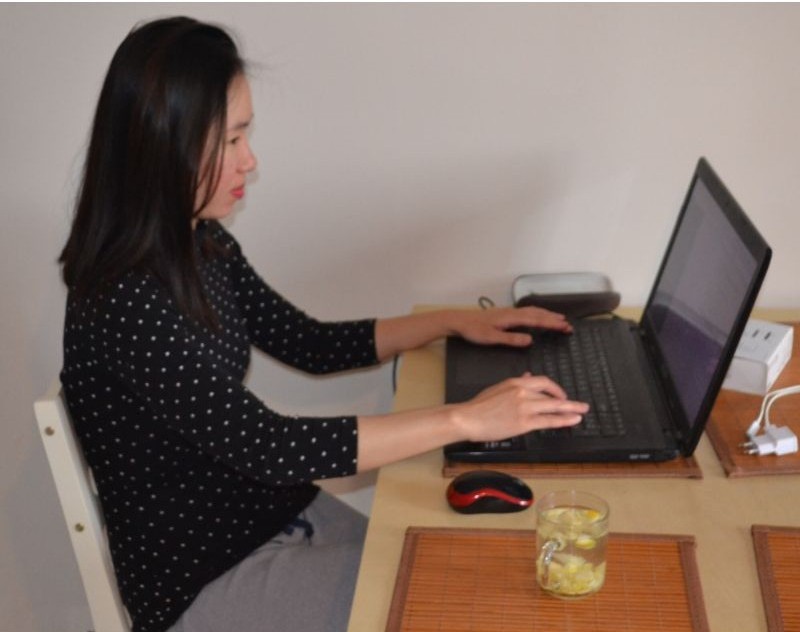
I didn’t wait until I had more time, a home office, or the perfect conditions to start blogging. I started at my kitchen table at 5 AM. And I’m still showing up, one morning at a time.
What I’ve learned is that you don’t need a huge audience to start monetizing your blog. You just need to understand which opportunities are available to smaller bloggers and how to prepare your website for them.
Related post : I Had Zero Tech Skills, Zero Followers, and Barely Any Free Time — Yet I Got Accepted Into Journey by Mediavine
My own blog was accepted into Journey by Mediavine while it was still relatively small, and I’ve also started building affiliate partnerships with brands and tools I can recommend to my readers.
I’m still growing my blogging income, but I want to share what I’ve actually done, what’s working for me, and how you can start building income opportunities for your blog without waiting until you have thousands of visitors.
Disclosure: This post may contain affiliate links. If you purchase through these links, I may earn a small commission at no additional cost to you. As an Amazon Associate, I earn from qualifying purchases. For more information, please read my full Affiliate Disclosure
1. You Don’t Need Thousands of Visitors to Start Monetizing Your Blog
One of the biggest misconceptions about blogging is that you need a huge audience before you can make money.
While more traffic can certainly help you earn more, different monetization methods have different requirements.
For example, some affiliate programs allow bloggers to apply without a large following, while advertising networks usually have specific eligibility requirements.
The important thing is understanding the difference between starting to monetize your blog and earning a consistent income from it.
You might be able to join an affiliate program today, but that doesn’t mean you’ll immediately start making sales.
And that’s okay.
For me, the goal has been to build a blog that can grow over time, rather than expecting it to replace my income overnight.
If you’re just getting started, you might also enjoy my guide on How to Start a Blog When You’re Already a Busy Mom
2. Start With Affiliate Marketing — Even If Your Blog Is Small
As a busy mom, I love that affiliate marketing allows me to explore earning money from content I’ve already created, without having to make my own products or manage customer orders.
You simply recommend helpful products through affiliate links and may earn a commission when someone makes a qualifying purchase.
For example, I share toddler activities and recommend relevant craft supplies from Amazon. I also write about blogging and share tools I actually use, such as HostArmada, Keysearch, and PinClicks.
The best part? Your blog posts can keep helping readers and potentially earning commissions even when you’re busy with family life. Of course, sales aren’t guaranteed.
3. Amazon Associates: You Don’t Need a Huge Audience
One thing that surprised me was that you don’t need thousands of visitors to apply for Amazon Associates.
I joined while my blog was still small, without thousands of daily visitors.
For busy moms, I think Amazon Associates is worth exploring because you can recommend products that naturally fit your existing blog posts.
For example, if you’re already sharing kids’ activities, why not include links to the craft supplies parents might need?
You don’t have to create extra products, handle shipping, or spend hours managing customer orders.
Can New Bloggers Join Amazon Associates?
Yes! Amazon doesn’t publish a minimum website traffic requirement for applying.
However, your blog should have original, helpful content. Amazon recommends at least 10 posts, and new associates generally need three qualifying sales within 180 days for their application to be reviewed.
My tip: Don’t wait until you have a huge audience. If you’re already creating helpful content during nap times or whenever you can find a quiet moment, explore ways to make those posts work harder for you.
4. Choose Affiliate Programs That Fit Your Blog
When you’re juggling kids, work, and everyday life, the last thing you need is another long to-do list.
That’s why I prefer promoting a few tools I already use rather than spending hours researching dozens of affiliate programs.
Here are three that fit naturally into my blogging content:
- HostArmada: My WordPress hosting provider, with helpful technical support that saves me troubleshooting time.
- Keysearch: Helps me research keywords so I can spend my limited writing time on more promising topics.
- PinClicks: A tool I use daily to research Pinterest keywords and plan my pins.
Because I already use these tools, I can share my real experience instead of creating content just to promote something.
You don’t need to promote everything to make affiliate marketing work. Start with products you know, write helpful posts, and focus on recommendations that save your readers time, money, or effort.
As a busy mom, that’s exactly the kind of blogging strategy I want: simple, manageable, and something I can build around my family life.
5. Create Helpful Blog Posts That Can Lead to Affiliate Sales
When you’re trying to monetize a small blog, the type of content you publish matters.
Not every blog post needs to sell something.
Some posts are designed to answer questions, inspire readers, or bring traffic from Pinterest and Google.
Others can help readers make decisions about products and services.
For example, these types of posts can work well for affiliate marketing:
- How-to tutorials that include relevant tools
- Product comparisons
- Honest reviews
- Beginner guides
- Resource lists featuring products you use
- Tutorials showing how to solve a specific problem
For my blogging content, I can write about how to start a WordPress website, find low-competition keywords, or improve Pinterest SEO.
These topics give me opportunities to recommend tools without forcing them into unrelated articles.
Find Topics People Are Already Searching For
One tool I use for keyword research is Keysearch.
When your blogging time is limited, you don’t want to spend hours writing about a topic without understanding whether people are searching for it.
Keysearch helps me research keywords and evaluate potential topics before I write.
It doesn’t guarantee that a post will rank on Google, but it helps me make more informed decisions about where to spend my time.
If you’re starting a blog with limited time, this is one part of the process I wouldn’t ignore.
6. Use Pinterest to Grow Your Blog Traffic
Pinterest has been an important part of how I’ve grown my blog.
When I started, I didn’t have a large audience waiting to read my posts.
I needed a way to help people discover my content.
Pinterest gave me another opportunity to get my blog posts in front of people searching for ideas.
For example, I share easy toddler activities, rainy-day activities, seasonal crafts, and other practical ideas for busy parents.
Over time, I started learning which pin titles attract attention, how Pinterest keywords work, and why the right image and headline matter.
The Pinterest Tool I Use Every Day
One tool I use regularly is PinClicks.
I use it for Pinterest SEO research, especially when I’m trying to understand which keywords and topics are worth targeting.
Instead of guessing what people might search for, I can use keyword research to help plan my pins.
I also use Canva to create Pinterest graphics.
Of course, Pinterest traffic doesn’t automatically turn into income.
But it can help bring readers to blog posts where you have display ads, relevant affiliate recommendations, or other monetization opportunities.
My advice: Don’t focus only on creating more pins. Focus on creating pins that lead people to genuinely helpful content.
7. Apply for Display Ads When Your Blog Qualifies
Affiliate marketing isn’t the only way to monetize a blog.
Another option is display advertising.
This is when advertisements appear on your website, and you earn revenue based on factors such as ad impressions, visitor location, and advertiser demand.
For me, this was an exciting milestone.
My Experience Getting Accepted Into Journey by Mediavine
I applied to Journey by Mediavine while my blog was still relatively small.
At the time, I had been working on growing my traffic, especially through Pinterest.
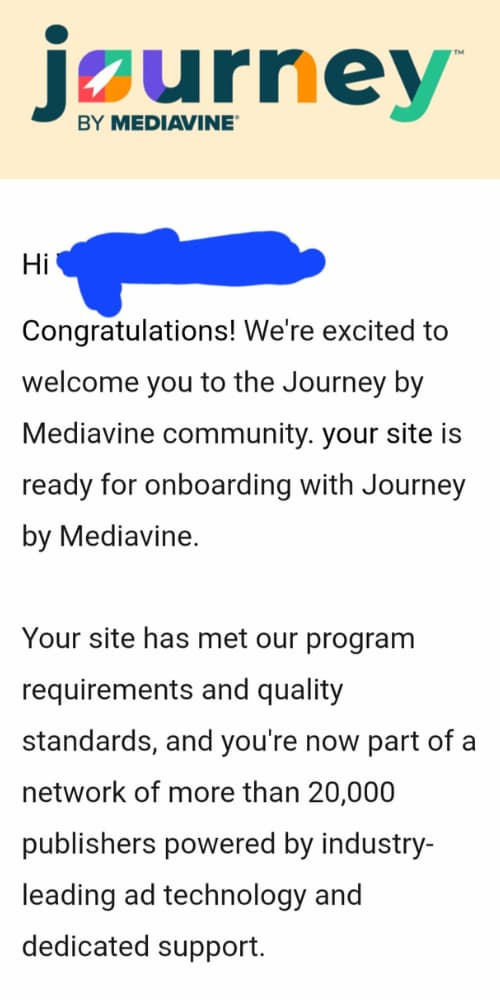
I submitted my application, and to my surprise, I received an approval email about a minute later.
I then completed the onboarding process, connected the required services, and set up ads on my website.
It was exciting to see my blog begin generating advertising revenue after spending so much time creating content.
However, I want to be clear about something.
Getting accepted into an ad network doesn’t mean you’ll suddenly earn hundreds of dollars every month.
Your revenue depends on your traffic, audience, ad performance, and other factors.
I’m still working on growing my traffic and advertising income.
Do You Need Thousands of Visitors for Journey?
Journey is designed to be accessible to smaller publishers, but it still has eligibility requirements and an approval process.
It isn’t the same as joining an affiliate program that doesn’t publish a minimum website traffic threshold.
If you’re interested in Journey, check its current eligibility requirements before applying.
You can read more about my experience in I Got Accepted Into Journey by Mediavine in 1 Minute — Here’s What I Did
8. Don’t Ignore Your Blog’s Legal Pages
This is something that’s easy to overlook when you’re excited about starting a blog and making money.
But if you’re planning to use affiliate links, collect email addresses, or display advertisements, you need to think about the legal side of running your website.
Depending on your location, audience, and business activities, you may need documents and disclosures such as:
- Privacy Policy
- Affiliate Disclosure
- Disclaimer
- Terms and Conditions
- Cookie and consent information
For example, if you use affiliate links, you should clearly tell readers that you may earn a commission when they make a qualifying purchase.
And if you’re collecting personal information through email forms or analytics, your privacy policy should accurately explain how that information is handled.
Legal Templates for Bloggers
If you’re not sure where to start, one resource you can explore is Amira A Self Guru (Amira is not only an actual lawyer but also a blogger), which offers legal templates for bloggers and online business owners.
These templates may help you understand what to include in your website’s legal documents.
I haven’t personally purchased these templates, so I can’t share a firsthand review of using them.
However, they may be worth researching if you’re looking for a template-based starting point.
Remember that templates aren’t a substitute for personalized legal advice, especially if your website operates across different countries.
9. Start Building an Email List While Your Blog Is Small
One thing worth thinking about early is building an email list.
You don’t need thousands of subscribers to start.
Even if only a few people sign up initially, you’re creating another way to stay connected with readers who enjoy your content.
For example, if you blog about toddler activities, you could offer a printable activity planner or a list of easy activities using household items.
If you blog about blogging, you might offer a simple checklist for starting a WordPress website.
I use Kit for email marketing, and it offers a free option for beginners, subject to its current plan limits.
An email list can help you share new content, build relationships with readers, and eventually introduce relevant affiliate recommendations or your own products.
Just remember that email marketing is about earning trust, not sending constant sales messages.
10. Focus on Building a Blog That Can Grow Over Time
If there’s one thing I’ve learned from my blogging journey, it’s that you don’t need to do everything at once.
When you’re a busy mom, your time is already divided between so many responsibilities.
Trying to write blog posts, learn SEO, create Pinterest pins, join affiliate programs, and build an email list all at the same time can quickly become overwhelming.
Instead, focus on a few things that matter most.
For me, that means creating helpful content, using Pinterest to attract readers, improving my existing blog posts, and exploring monetization opportunities that fit my audience.
I’m not making a full-time income from my blog, and I don’t want to pretend that blogging is an easy way to make money.
It takes work, patience, and consistency.
But I also believe you don’t have to wait until everything is perfect before you start.
You can build your content, grow your traffic, and begin exploring monetization opportunities along the way.
Start Small, Build Smart, and Grow at Your Own Pace
If you’ve been waiting until your blog reaches thousands of visitors before thinking about monetization, I hope my experience gives you a different perspective.
You don’t need a huge audience to apply for every affiliate program.
You don’t need to create your own products to explore earning commissions.
And you don’t need to have everything figured out before you start building an online business.
My own journey started with sharing simple activities for kids. Over time, I’ve grown my traffic, joined Amazon Associates, been accepted into Journey by Mediavine, and started building affiliate partnerships.
I’m still learning and growing, just like many other bloggers.
Start with helpful content, choose monetization methods that fit your audience, and give yourself time to grow.
And if you haven’t started your blog yet, one of the first things you’ll need is reliable website hosting.
I use HostArmada for my own WordPress website, and one of the things I appreciate most is its technical support.
When I experienced a website issue, the support team helped resolve it within minutes. As a busy mom, that’s the kind of help I value because I don’t have hours to spend troubleshooting technical problems.
If you’re ready to start your own blog, you can explore HostArmada’s WordPress hosting options below.
Start Your WordPress Blog With HostArmada
You can also follow my step-by-step guide on How to Start a Blog When You’re Already a Busy Mom


2 Comments