If you have a toddler, you probably know how quickly a simple activity can turn into a very big mess.
Paint somehow ends up on their arms. Rice escapes the sensory bin. Play dough gets squished into places you didn’t even know it could reach. And if water is involved? Well… you might as well grab a towel before you start.
I used to look at activities like these and immediately think about the cleanup.
But over time, I’ve started looking at the mess differently.
When I’m setting up simple toddler activities for my little one, I’m not trying to create a perfect activity. I want to give him opportunities to touch, experiment, create, and figure things out for himself.
That’s also why sensory play has become something I really enjoy including in our days. A bowl of colored rice, some homemade dough, water play, or a little finger painting can look incredibly simple to us—but there’s actually a lot of learning happening in those little hands.
And yes, sometimes my floor pays the price.
But I’ve realized that messy play isn’t just mess.
It’s learning.
It’s experimenting.
It’s creativity.
And sometimes, it’s simply a toddler having a wonderful time being a toddler.
So if you’ve ever wondered whether messy play is actually worth the cleanup, here are seven reasons I’ve decided that, in our house, it usually is.
Disclosure: This post may contain affiliate links. If you purchase through these links, I may earn a small commission at no additional cost to you. As an Amazon Associate, I earn from qualifying purchases. For more information, please read my full Affiliate Disclosure
What Is Messy Play?
Messy play is exactly what it sounds like: hands-on, open-ended play where children can explore different materials using their senses.
Think:
- finger painting
- water play
- sensory bins
- play dough
- mud
- foam
- sand
- colored rice
- pasta
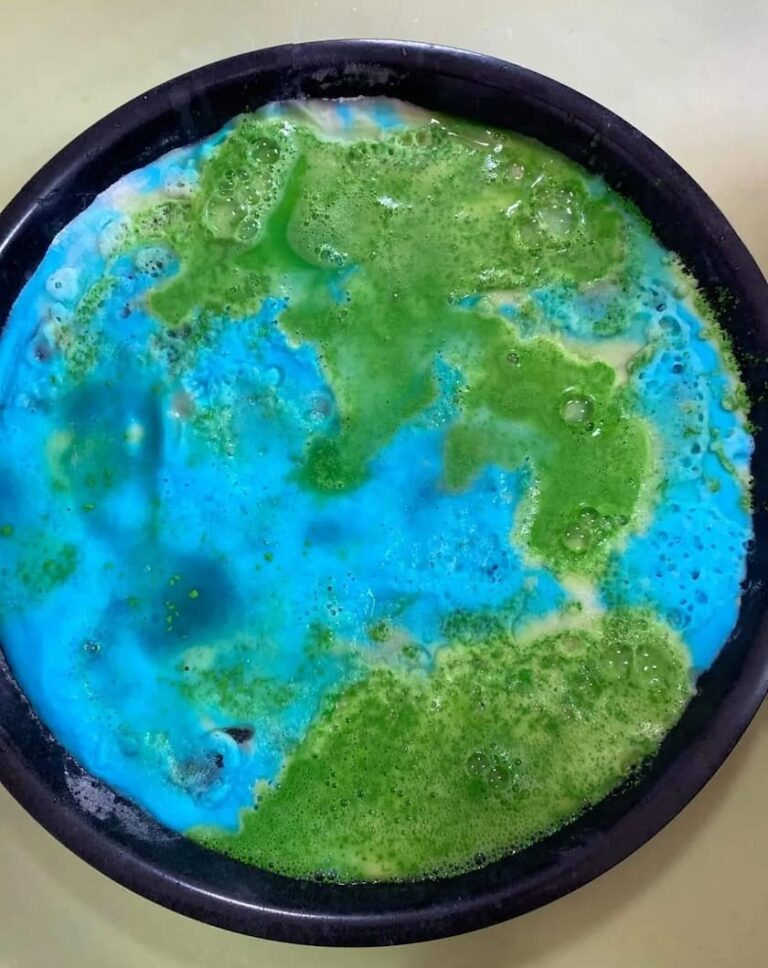
- slime or taste-safe sensory mixtures
- painting with unusual tools
There’s usually no perfect finished product.
Your child doesn’t have to make something that looks a certain way. They can scoop, pour, squeeze, smear, mix, splash, stamp and explore.
That’s one of the things I love most about it.
The process matters more than the result.
1. Messy Play Encourages Sensory Exploration
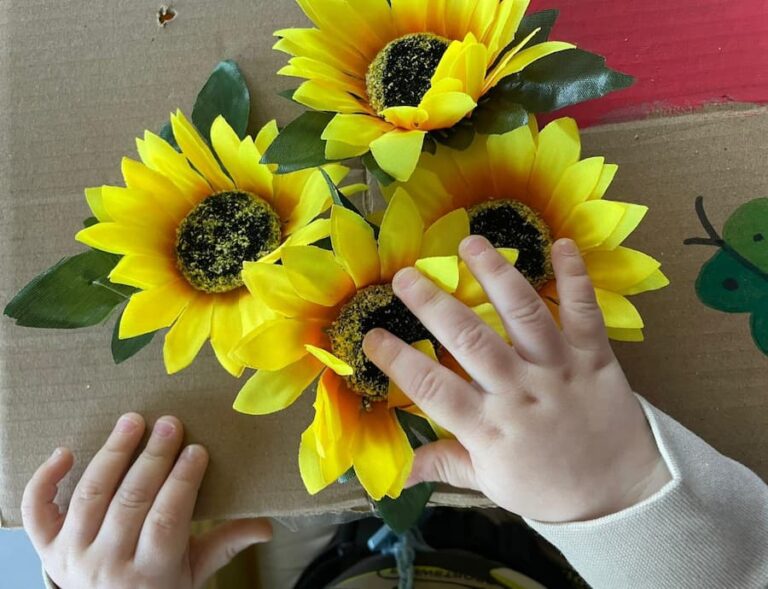
Toddlers learn so much by touching things.
Smooth paint feels completely different from dry rice. Water behaves differently from dough. Sand falls through their fingers while foam can be squished and spread.
These experiences give children opportunities to explore different textures, temperatures, colors, sounds and consistencies.
You might see a bowl of rice and a few scoops.
Your toddler sees an entire experiment.
What happens if I pour this?
Can I squeeze it?
What happens when I mix these together?
That natural curiosity is one of the reasons sensory and messy play can be so engaging.
2. It Builds Fine Motor Skills Without Feeling Like Practice
One of my favorite things about messy play is how many little hand movements are happening without us needing to turn them into a lesson.
Think about what your toddler does while playing:
They pinch.
Squeeze.
Scoop.
Pour.
Press.
Roll.
Pick things up.
Transfer objects from one container to another.
All those movements help strengthen and coordinate the hands and fingers.
These are the same little muscles children eventually use for everyday tasks such as holding pencils, using scissors, buttoning clothes and feeding themselves.
And your toddler isn’t thinking:
“Today I’m working on my fine motor development.”
They’re thinking:
“I’m going to pour this entire container of rice into that tiny cup.”
Much more fun.
3. Messy Play Gives Kids Freedom to Be Creative
I love crafts with cute finished results, but I also think children need opportunities where there isn’t a specific picture they’re supposed to recreate.
Messy play gives them that freedom.
Give a toddler some paint and a few different tools and you’ll quickly see this happen.
Maybe they’ll stamp.
Maybe they’ll smear.
Maybe they’ll mix every beautiful color together until they’ve invented a very questionable shade of brown.
That’s okay.
They’re making choices.
They’re discovering what happens.
They’re creating something that belongs completely to them.
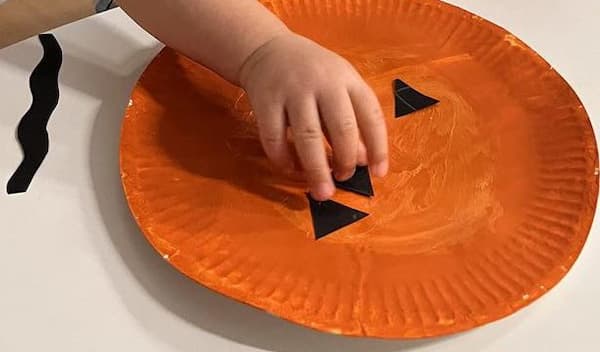
One of my favorite ways to encourage this is to offer different household objects instead of always using a paintbrush. Forks, sponges, cotton swabs, cardboard tubes and even toy blocks can become painting tools.
It makes painting feel like an experiment rather than a project that has to look a certain way.
4. It Teaches Cause and Effect
Toddlers are tiny scientists.
They want to know:
What happens if I do this?
Messy play gives them endless opportunities to find out.
What happens when blue paint meets yellow paint?
What happens when I squeeze wet foam?
What happens when I pour water through a funnel?
What happens if I drop this into the water?
What happens when I press harder with the sponge?
Instead of us explaining every answer, children get to discover some of those answers themselves.
They try something.
Something happens.
Then they try it again.
That’s learning through play in its simplest form.
5. There’s No Pressure to Get It “Right”
This might be my favorite benefit of messy play.
There doesn’t have to be a right answer.
A sensory bin doesn’t need to look beautiful when your child finishes playing with it.
Finger painting doesn’t have to become a recognizable picture.
Play dough doesn’t need to become a perfect animal.
Your toddler can simply explore.
For young children who are still learning how everything works, I think there’s something wonderful about giving them activities where we don’t constantly need to say:
“No, do it this way.”
Instead, we can step back a little and let them figure things out.
6. Messy Play Can Encourage Independent Play
I won’t pretend messy play always means I’m sitting peacefully nearby while my toddler entertains himself for an hour.
Toddlers are still toddlers.
But I’ve noticed that when an activity gives children something interesting to investigate, they often become deeply focused on what they’re doing.
Pouring.
Scooping.
Mixing.
Painting.
Transferring.
Repeating the same thing seventeen times because apparently the seventeenth time is just as fascinating as the first.
That kind of focused play is valuable for children—and, as a busy mom, I’ll happily appreciate those few minutes too.
Sometimes the activities that look incredibly simple to us are the ones that hold their attention the longest.
7. Sometimes Kids Just Need Permission to Get Messy
This is the part I’ve had to remind myself of.
Childhood doesn’t need to be clean all the time.
Sometimes there should be muddy shoes.
Paint-covered fingers.
Water on the floor.
Rice under the table.
A shirt that definitely needs to go straight into the washing machine.
I don’t want to spend these years constantly worrying about keeping everything perfectly clean.
Of course, I still have limits. I’m not handing my toddler a bucket of paint and wishing him luck in the living room.
But when I can make the mess manageable, I try to say yes.
Yes, you can touch it.
Yes, you can mix the colors.
Yes, you can splash a little.
Yes, you can explore.
Because most of the mess can be cleaned up in a few minutes.
The experience is what stays.
How I Make Messy Play Easier as a Busy Mom
I love messy play.
I do not love spending 45 minutes cleaning up afterward.
So I’ve learned to keep it simple.
A few things make a huge difference:
- Put down an old towel or washable mat first.
- Use a tray or shallow container to define the play area.
- Choose washable paint whenever possible.
- Don’t put out more materials than your child actually needs.
- Keep wipes or a damp cloth nearby.
- Use old clothes or a painting shirt.
- Take messy activities outside when the weather allows.
- Keep sensory setups simple instead of trying to recreate elaborate ideas you see online.
And perhaps most importantly:
Expect some mess before you start.
I’ve found that I’m much more relaxed when I’ve already accepted that a little rice will probably end up on the floor.
You Don’t Need Fancy Supplies for Messy Play
This is another reason I love these activities.
You don’t need a cupboard full of expensive sensory toys.
Some of our simplest activities use things we already have at home.
A muffin tin and water.
A bowl of rice and a scoop.
A cardboard tube and paint.
Kitchen sponges.
Cotton balls.
Pasta.
Ice.
Toy animals.
A little flour.
A few containers from the kitchen.
Sometimes we make children’s activities much more complicated than they need to be.
For a toddler, simple is often enough.
Give them something interesting to touch, a way to manipulate it, and the freedom to explore—and see where they take it.
The Mess Is Usually Worth It
I still don’t love finding dried paint somewhere three days later.
And I definitely don’t enjoy stepping on escaped sensory-bin rice with bare feet.
But I don’t worry about the mess nearly as much as I used to.
Because now, when I see paint-covered little hands, I also see creativity.
When I see water splashed around a sensory activity, I see experimentation.
When I see rice scattered across the table, I see a child who has spent the last twenty minutes scooping, pouring, concentrating and figuring things out.
Messy play gives children permission to explore without worrying about getting everything right.
And childhood has plenty of time for rules, instructions and staying inside the lines.
For now, I’m happy to let there be a little paint on those tiny hands.
The table can always be wiped down later.